 19700 East Parker Square Drive, Parker, CO 80134

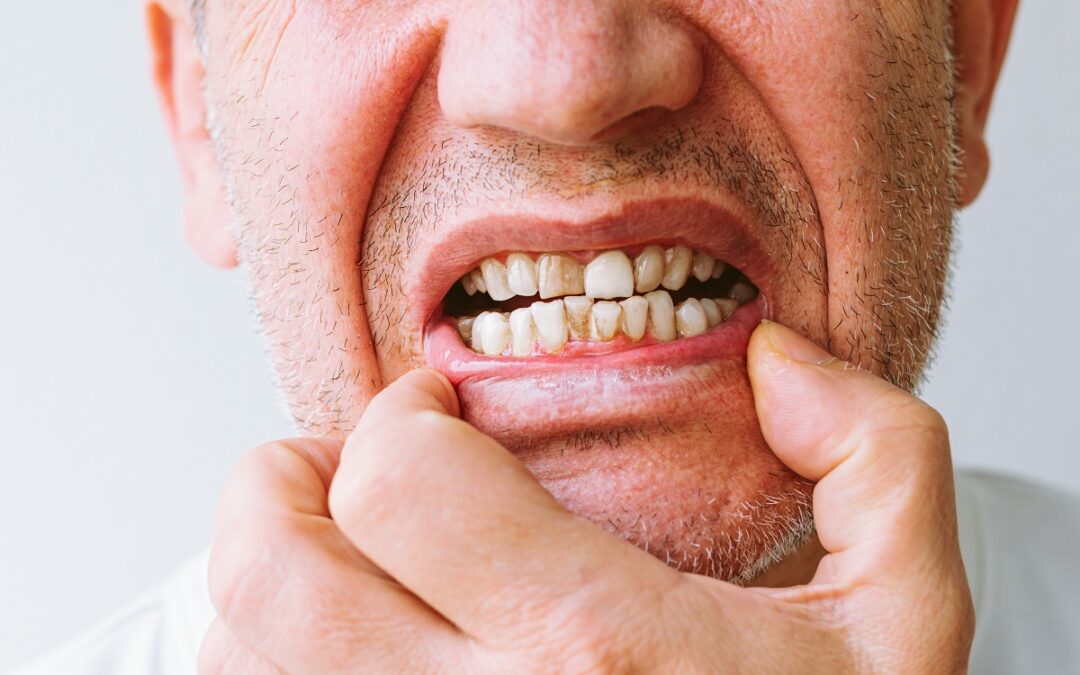
Whether you’re enjoying the trails at Cherry Creek State Park, commuting through Parker, or grabbing coffee before work, your teeth encounter acidic foods and drinks more often than you might realize. Many patients from Parker, Castle Rock, Lone Tree, and surrounding communities are surprised to learn that enamel erosion can happen even when they brush and floss every day. The good news is that while enamel loss cannot be reversed, there are effective ways to slow its progression, reduce sensitivity, and protect your smile from further damage.
About Dr. Tiffany Niquette
Dr. Tiffany Niquette and the team at Pine Grove Family Dental believe prevention is the foundation of long-term oral health. Through comprehensive examinations and personalized guidance, they help patients identify early signs of enamel wear and recommend practical solutions tailored to each lifestyle. If you’re concerned about tooth sensitivity or enamel erosion, contact us today to schedule a comprehensive dental evaluation and protect your smile for the future.
Understanding What Enamel Can and Cannot Do
Enamel is the hard, outer layer that protects your teeth from chewing forces, temperature changes, and bacteria. Although it is the strongest substance in the human body, it has one important limitation: it does not contain living cells. Once a portion of enamel is permanently lost, your body cannot regenerate it.
This is where many patients become confused. You may have heard that enamel can be “rebuilt,” but what actually happens is remineralization. During this process, minerals like calcium and phosphate are redeposited into areas of enamel that have only begun to weaken. This can strengthen the remaining enamel, but it cannot replace enamel that has already worn away.
The earlier enamel erosion is identified, the more opportunities there are to preserve the healthy tooth structure that remains.
The Small Habits That Often Lead to Big Problems
Enamel erosion usually develops gradually rather than overnight. Many patients are surprised that the cause is not poor oral hygiene but a combination of everyday habits.
Some of the most common contributors include:
- Frequent consumption of soda, sports drinks, energy drinks, and citrus beverages
- Sipping acidic drinks throughout the day instead of finishing them with meals
- Brushing immediately after consuming acidic foods or drinks
- Acid reflux or frequent heartburn that exposes teeth to stomach acid
- Dry mouth, which reduces the protective effects of saliva
- Frequent snacking that limits the mouth’s ability to neutralize acids
As a dentist in Parker, we often see patients who believe brushing harder will solve sensitivity, when aggressive brushing can actually accelerate enamel wear if the surface has already been softened by acid.
The Early Signs Most People Miss
Enamel erosion rarely causes severe pain during its earliest stages. Instead, patients tend to notice subtle changes that are easy to dismiss.
You may experience:
- Increased sensitivity to cold, hot, or sweet foods
- Teeth appearing more yellow as the underlying dentin becomes more visible
- Rounded or slightly transparent edges on front teeth
- Small surface grooves or shallow indentations
- A smoother or shinier appearance than usual
These changes may develop slowly over months or even years, which is why routine dental examinations are so valuable. Detecting enamel wear early often means simpler, less invasive treatment.
Can You Stop Enamel Erosion From Getting Worse?
Yes, in many cases you can significantly slow or stop further damage once the underlying cause is identified.
The first step is reducing repeated acid exposure. Instead of sipping acidic beverages throughout the day, drink them with meals and rinse your mouth with water afterward. Waiting about 30 minutes before brushing allows saliva time to neutralize acids and helps prevent additional surface wear.
Daily fluoride toothpaste can strengthen weakened enamel, while prescription-strength fluoride treatments may be recommended for patients at higher risk. For some individuals, remineralizing products containing calcium phosphate may also provide additional protection.
Hydration also plays a larger role than many people realize. Saliva naturally helps wash away acids and replenish minerals. If you experience chronic dry mouth because of medications or medical conditions, your dentist can recommend strategies to improve moisture and reduce your risk of continued erosion.
Sometimes the Real Cause Isn’t What You Eat
One of the more challenging situations occurs when patients maintain an excellent diet but still develop enamel erosion.
In these cases, dentists often look beyond food choices.
Acid reflux is a common but frequently overlooked cause because stomach acid is significantly more acidic than most beverages. Some patients notice heartburn, while others experience “silent reflux” with few obvious symptoms.
Nighttime teeth grinding is another contributing factor. Grinding does not cause acid erosion itself, but it can speed the loss of already weakened enamel by placing excessive mechanical pressure on vulnerable teeth.
Medical conditions, certain medications, eating disorders, and occupational exposure to acids can also increase the likelihood of enamel damage.
Identifying these less obvious factors allows treatment to focus on preventing future damage instead of only managing the symptoms.
When Professional Treatment Becomes the Better Option
Once enamel has worn away enough to expose dentin, home care alone is usually no longer enough.
When patients visit our Parker dental office, treatment recommendations are based on how much healthy tooth structure remains and whether enamel loss is affecting function, comfort, or appearance.
Options may include:
- Professional fluoride applications to strengthen vulnerable enamel
- Bonding to protect small worn areas and reduce sensitivity
- Tooth-colored fillings if erosion has created defects
- Dental crowns for teeth with extensive structural loss
- Custom night guards if grinding is contributing to wear
The goal is always to preserve as much natural tooth structure as possible while preventing additional damage.
Common Mistakes That Can Make Enamel Erosion Worse
Many patients unintentionally increase enamel wear despite trying to care for their teeth.
Some of the most common mistakes include:
- Brushing immediately after drinking coffee, soda, or citrus beverages
- Using excessive force while brushing
- Choosing highly abrasive whitening toothpaste every day
- Frequently sucking on lemons or consuming vinegar-based drinks
- Ignoring ongoing tooth sensitivity
- Assuming enamel loss is simply a normal part of aging
Small adjustments in your daily routine often make a meaningful difference when combined with regular preventive dental visits.
Protect Your Smile Before Enamel Loss Progresses
Enamel erosion doesn’t have to lead to significant damage when it’s identified early. At Pine Grove Family Dental, Dr. Tiffany Niquette and our team evaluate the underlying causes of enamel wear, recommend personalized prevention strategies, and provide treatments designed to preserve your natural teeth. If you’ve noticed increasing sensitivity or changes in the appearance of your smile, schedule an appointment to learn how we can help protect your oral health.
Although enamel cannot grow back once it has been lost, early intervention can make a meaningful difference. By recognizing the warning signs, addressing the habits or medical conditions contributing to wear, and seeking professional guidance when needed, we can preserve healthy tooth structure, reduce sensitivity, and help keep your smile strong for years to come.
Frequently Asked Questions
Can enamel grow back naturally?
No. Once enamel is permanently lost, your body cannot regenerate it. However, weakened enamel can often be strengthened through remineralization before significant loss occurs.
Is tooth sensitivity always caused by enamel erosion?
Not always. Sensitivity can also result from gum recession, cavities, cracked teeth, or exposed roots. A dental examination is the best way to identify the exact cause.
Does drinking through a straw help protect enamel?
Yes. Using a straw may reduce direct contact between acidic beverages and your teeth, especially when combined with drinking those beverages during meals.
What toothpaste is best for protecting enamel?
Fluoride toothpaste is generally recommended because it strengthens weakened enamel and helps reduce the risk of further erosion. Your dentist may recommend higher-strength products if you have increased risk.
How long should I wait to brush after acidic foods or drinks?
Most dentists recommend waiting approximately 30 minutes before brushing to allow saliva to neutralize acids and reduce the risk of brushing softened enamel.
Can sparkling water damage enamel?
Plain sparkling water is generally much less acidic than soda. However, flavored sparkling waters containing citric acid may contribute to enamel wear when consumed frequently.
Is enamel erosion painful?
Early enamel erosion often causes no discomfort. As more enamel is lost and dentin becomes exposed, sensitivity to hot, cold, sweet, or acidic foods may develop.
When should I schedule a dental evaluation?
If you notice persistent sensitivity, changes in tooth appearance, transparency along the edges, or increasing wear, it’s best to schedule an evaluation before more extensive damage occurs.