 19700 East Parker Square Drive, Parker, CO 80134

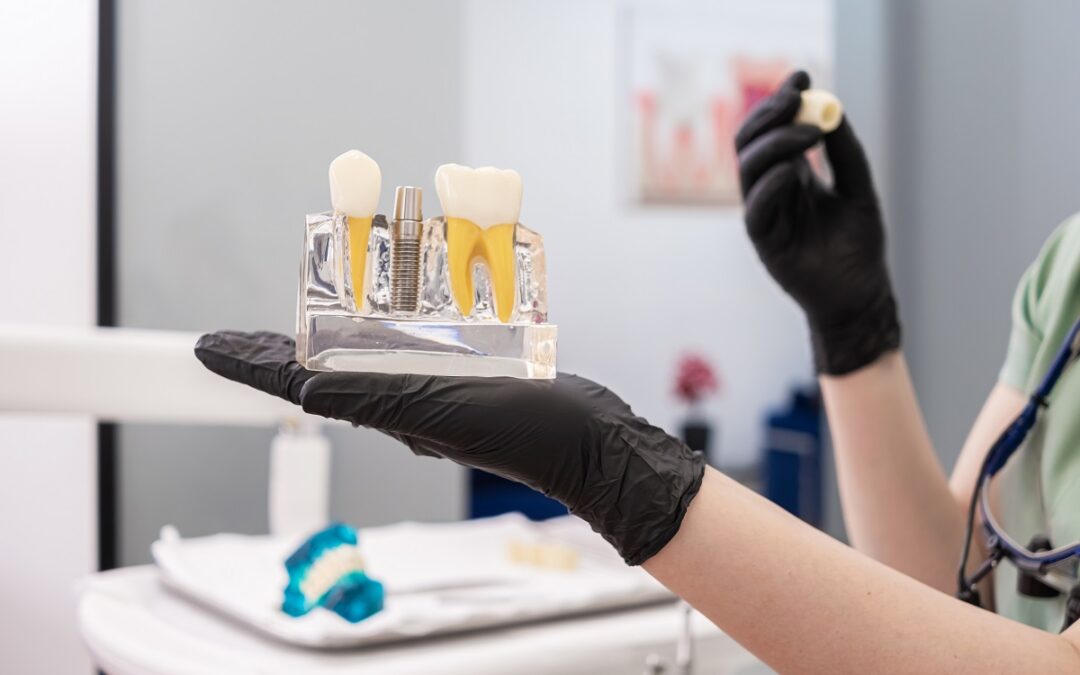
Losing a tooth can leave you with more questions than answers. Do you need to replace it right away? Will you have to wait months before treatment can even begin? Is a dental implant something you can get immediately, or is the process always long?
These are some of the first questions patients ask after losing a tooth, whether it happened during a weekend hockey game, an unexpected fall, or after a tooth finally gave out because of years of decay. The good news is that implant dentistry has changed considerably over the last decade. While some patients still benefit from a traditional healing timeline, others may be able to begin treatment much sooner than they expected. The key is understanding what your mouth needs instead of relying on outdated advice.
If you’re considering tooth replacement in Parker, today’s technology gives your dentist far more information than ever before, making it possible to recommend a treatment plan based on your individual situation instead of a one-size-fits-all timeline.
Dr. Nicole Foutz provides restorative and implant dentistry at Pine Grove Family Dental. She believes patients make better decisions when they understand not only their treatment options, but also why one approach may be better suited to their long-term oral health than another.
Why replacing a missing tooth shouldn’t wait too long
Many people assume a missing tooth is mostly a cosmetic concern, especially if it’s toward the back of the mouth.
Unfortunately, that’s rarely the case.
Every tooth helps keep your bite balanced. Once one is lost, neighboring teeth can gradually drift into the empty space. The opposing tooth may also begin moving because it no longer has anything to bite against. At the same time, the jawbone beneath the missing tooth starts losing stimulation, causing it to shrink little by little.
These changes don’t happen overnight, which is why they’re easy to overlook. Months or years later, patients are often surprised to learn that replacing a tooth has become more involved than it would have been earlier.
That doesn’t mean you need immediate treatment the day a tooth is lost, but scheduling an evaluation sooner rather than later gives you more options.
Why implant treatment used to take so long
Years ago, implant treatment followed a fairly predictable schedule.
After an extraction, dentists typically waited several months for the bone to heal before placing the implant. Once the implant was in place, additional healing time was needed before the permanent crown could be attached.
The approach worked well because it allowed the implant to become firmly integrated with the surrounding bone before it was placed under normal chewing forces.
At the time, this conservative timeline was often the safest choice because dentists didn’t have the detailed imaging technology that’s available today.
Better technology has changed the conversation
One of the biggest advances in modern implant dentistry isn’t the implant itself. It’s the ability to evaluate the treatment area before the procedure ever begins.
Three-dimensional CBCT imaging allows dentists to examine bone density, measure available bone, identify nearby nerves, and carefully plan implant placement with remarkable precision.
Instead of relying on general healing estimates, your local dentist can evaluate exactly what’s happening beneath the gums.
That’s why today’s consultation looks very different from what it did years ago. Rather than automatically recommending months of waiting, your dentist can determine whether immediate implant placement is appropriate or whether additional healing will produce a more predictable outcome.
For patients looking into tooth replacement options, this personalized approach often removes much of the uncertainty surrounding treatment.
Can an implant really be placed the same day?
Sometimes, yes.
If the surrounding bone is healthy, there’s no significant infection, and the tooth can be removed without damaging the socket, an implant may be placed during the same appointment.
That doesn’t necessarily mean you’ll leave with your permanent tooth.
This is one of the biggest misunderstandings patients have. Advertisements for “same-day implants” can make it sound as though the entire process is completed in a single visit. In reality, many patients receive a temporary restoration while the implant heals. The permanent crown is usually placed several months later after your dentist confirms the implant has fully integrated with the bone.
Understanding that distinction helps patients know what to expect from the beginning.
Sometimes slowing down leads to a better result
Not every patient benefits from an accelerated timeline.
If an infection has damaged the surrounding bone, if the tooth has been loose for years, or if there isn’t enough healthy bone to support an implant, additional treatment may be recommended before implant placement.
Bone grafting is one example.
Although waiting for a graft to heal may feel frustrating, it often creates a much stronger foundation for the implant. Choosing the faster option when the bone isn’t ready can increase the risk of complications later.
During consultations, Dr. Nicole Foutz often reminds patients that the goal isn’t simply getting an implant as quickly as possible. The goal is placing it under the right conditions so it has the best chance of lasting for decades.
Your everyday habits matter more than you might think
Healing isn’t determined by bone quality alone.
Certain health conditions, tobacco use, uncontrolled diabetes, and teeth grinding can all influence how well an implant heals after placement.
Some patients are excellent candidates for immediate treatment, while others benefit from taking a slower, more conservative approach.
That’s one reason every implant recommendation should begin with a comprehensive examination instead of assumptions based on someone else’s experience.
Just because a friend received an implant immediately after an extraction doesn’t mean the same timeline will be right for you.
How do you know which option is best?
The answer starts with an evaluation.
During an implant consultation, your dentist will review digital imaging, examine your oral health, discuss your medical history, and learn about your goals before recommending treatment.
Some patients are relieved to hear they don’t need to wait as long as they expected. Others learn that allowing additional healing time now may help them avoid more complex treatment later.
Either way, having clear information makes the decision much easier.
If you’ve recently lost a tooth or have been living with a gap for months or even years, it’s worth finding out what options are available today. Modern implant dentistry offers more flexibility than many people realize, and the right plan depends on your specific needs rather than a standard timeline.
Ready to Explore Your Tooth Replacement Options?
Missing a tooth doesn’t automatically mean months of waiting before treatment can begin. At Pine Grove Family Dental, Dr. Nicole Foutz uses advanced imaging to evaluate your oral health and recommend a treatment timeline based on your unique needs, whether that means immediate implant placement or a more gradual approach.
If you’re considering dental implants, visit our dental practice in Parker, CO for a consultation. We’ll evaluate your oral health, explain your treatment options, and help you choose the solution that supports a healthy, confident smile for years to come.
Frequently Asked Questions
How soon can I replace a missing tooth?
It depends on your oral health. Some patients qualify for immediate implant placement, while others need time for healing or bone grafting before treatment.
Is a dental implant always the best way to replace a missing tooth?
Dental implants are often considered the gold standard because they replace both the tooth and its root. However, bridges or dentures may be recommended depending on your oral health, budget, and treatment goals.
What happens if I don’t replace a missing tooth?
Over time, neighboring teeth can shift out of position, and the jawbone beneath the missing tooth may gradually lose volume. These changes can make future treatment more complex.
Can I get an implant years after losing a tooth?
Yes. Many patients successfully receive implants years after tooth loss. Your dentist will evaluate whether enough healthy bone remains or if bone grafting is recommended first.
Does getting an implant hurt?
Most patients report less discomfort than they expected. Local anesthesia keeps the procedure comfortable, and any soreness afterward is usually manageable with medication and post-operative care instructions.
How long do dental implants last?
With good oral hygiene, regular dental visits, and healthy habits, dental implants can last for many years and often for decades.